
Going tankless changes how your home makes hot water. There is no tank to keep hot, so there is no standby loss while you sleep or travel. When a faucet or shower opens, the unit senses flow and fires, heating water on demand through a heat exchanger. The result is a continuous supply as long as demand stays within the unit's capacity, a compact footprint on the wall, and a lifespan that can be nearly double that of a typical tank. Families across Killeen, TX often choose tankless during a replacement or remodel for exactly those reasons.
The most important step happens before anything is installed. We total your peak demand in gallons per minute, such as a shower, a kitchen sink, and the dishwasher at once, and compare it against the temperature rise your incoming water needs in winter. That tells us the real capacity you need. Next we check the supply side. Gas tankless units fire at up to around 199,000 BTU, so a half-inch line that fed an old tank is often too small. Condensing models vent through PVC or polypropylene and need a condensate drain, while non-condensing units need stainless steel venting. Electric models are their own case, often needing multiple large breakers and sometimes a service upgrade.
Details decide how well a tankless system ages. We install service valves on every unit so descaling is quick, pipe the relief valve to a safe discharge point, build the gas connection with a sediment trap, and run venting exactly to the manufacturer's specifications. Hard water gets addressed up front with a softener or scale filter discussion, because scale is what clogs heat exchangers. We also offer recirculation if a far bathroom takes too long to get hot. Permits are pulled where required, and you get a walkthrough of settings, error codes, and upkeep. Call (254) 223-6498 to get started in Killeen.
Most of our service calls are for Water Heater Installation in Killeen. Start there if you're not sure what you need.
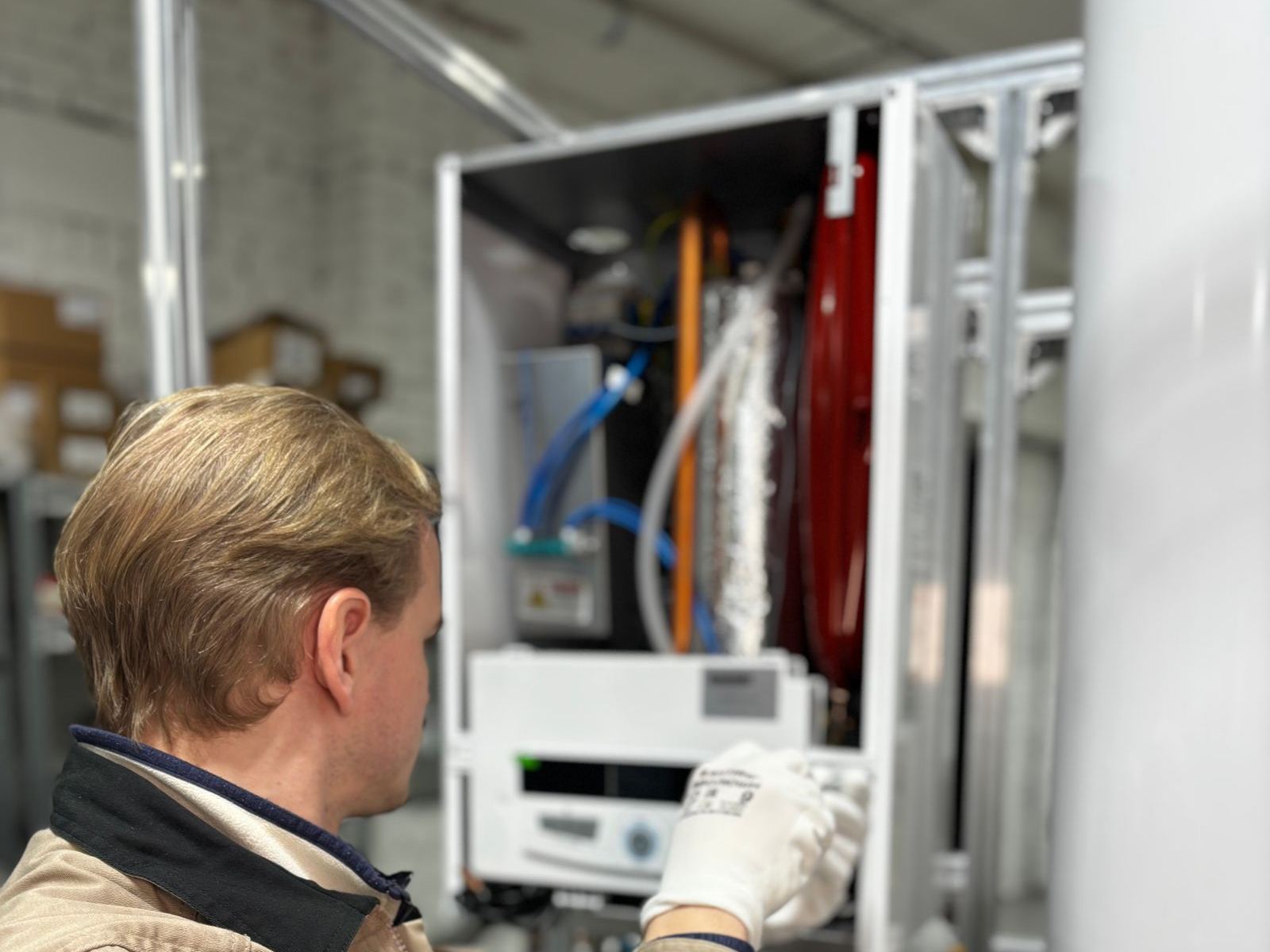
How to Tell Something Is Wrong
A heater that is starting to struggle rarely hides it for long, and the clues are easy to spot once you know them. Here are the most common indicators that it's time to call a professional:
- A utility area where a bulky tank takes up room you would rather use
- Wanting a unit that can last up to twice as long as a typical tank
- A home remodel or new build where the gas line and venting can be planned from scratch
- Paying to keep a full tank hot even when no one is home
- A tank that cannot keep up with your household's morning routine
- An aging tank that has started to rust, rumble, or leak
- Adding a bathroom, soaking tub, or larger shower that needs more hot water
- A far-off sink or bath where a point-of-use unit could help
Early Action Saves Money
A little rust-colored water or a relief valve that drips now and then can be the first hint of a tank that is close to the end. If you notice any of these signs, contact Killeen Water Heater at (254) 223-6498 for a prompt inspection.
Water Heater Trouble? Call Us.
One call gets a technician scheduled and a clear price before any work starts.
Call (254) 223-6498 TodayWhat Homeowners Ask Us Most
Why Professional Tankless Water Heater Installation Matters
Buying the right unit is the easy part. The other half is making sure your home can support it. Gas tankless burners can fire at close to 199,000 BTU, so gas line sizing, meter capacity, and pressure under full load all have to check out. Vent materials, lengths, and terminations are dictated by the manufacturer and local code, and condensing units add a condensate drain that should be neutralized. Electric whole-home units can pull more current than an older panel can deliver. Miss one of these, and the unit underperforms or becomes unsafe.
Our job is to make tankless work the way it is supposed to. That starts with sizing for your busiest hour and coldest water, then making sure the home's gas, vent, and power can support it. We install with service valves for descaling, proper relief valve discharge, and venting built to the manual, then test under real demand before we leave. If a tankless unit is not the best choice for your home, whether because of cost, gas supply, or usage patterns, we say so and help you compare other options honestly.
Step by Step: How a Visit Works
Good water heater work comes down to a consistent routine, and ours starts with a real diagnosis instead of a guess. Here's a look at each step our team takes:
Flow Rate & Temperature Rise
We total the fixtures you run at the same time in gallons per minute and factor in winter inlet temperature, so the unit keeps up on the coldest days.
Supply & Venting Plan
We confirm the gas line and meter can feed the burner's full BTU demand, plan the right venting, and check the panel for electric units before quoting.
Installation to Spec
The unit goes on the wall with service valves, a sediment trap on the gas line, correct vent pitch and termination, and a neutralized condensate line where needed.
Full-Flow Testing & Walkthrough
Startup includes a full-flow test, a gas pressure check with the burner at high fire, a leak check on every joint, and a plain explanation of settings and maintenance.
Simple Ways to Extend Your Water Heater's Life
A little routine care goes a long way toward keeping a water heater running well past its expected lifespan. Start with these practical measures our team relies on:
- Plan on yearly descaling through the service valves, sooner if your water is hard
- Check and rinse the small filter screen at the cold inlet periodically
- Keep the air intake and vent termination clear of snow, leaves, and debris
- Consider a water softener or scale-prevention filter if your water is hard
- Protect outdoor or garage units from freezing, and keep power on during cold snaps so freeze protection works
- Write down any error codes and call early rather than resetting repeatedly
- A setting near 120F limits scalding and reduces scale formation
Should You DIY or Call a Pro?
A few tasks, like checking the temperature setting or lifting the relief valve lever to test it, are fine for homeowners, but most water heater work involves gas lines, venting, 240-volt circuits, or a tank full of scalding water, and that belongs with a professional. Here's how the two approaches stack up:
| Consideration | Doing It Yourself | Hiring a Pro |
|---|---|---|
| Sizing | Sized by the box, not your demand | Matched to real peak demand |
| Gas Line | Undersized line starves the burner | Line and meter verified for full BTU demand |
| Venting | Old flue reused or wrong vent material | Condensing or stainless venting done properly |
| Power Needs | Panel capacity not checked for electric units | Panel and circuits confirmed before install |
| Future Service | No isolation valves, so descaling is a hassle | Built for easy annual service |
| Outcome | Possible warranty and permit problems | Steady hot water at real demand |
Get Tankless Water Heater Installation Help Today
Don't let a failing water heater get worse. Call Killeen Water Heater now for prompt, professional service.
Call (254) 223-6498 NowCommunities We Cover
Wherever you are in the area, the same experienced team shows up with the same parts and the same pricing. Find your community below.